
September 18, 2024
5 Essential Music Tools for Every Aspiring Musician
Hi AAM Family 👋 Christopher here. It's essential to have the right tools as you all continue your musical journey. Having the right tools is fundamentally the key to shaping each student's ability to reach their musicianship aspirations. In this post, we are highlighting five essential materials designed to enhance the learning experience and support musical growth, whether for personal enjoyment or professional development, as well as keeping students motivated and organized.
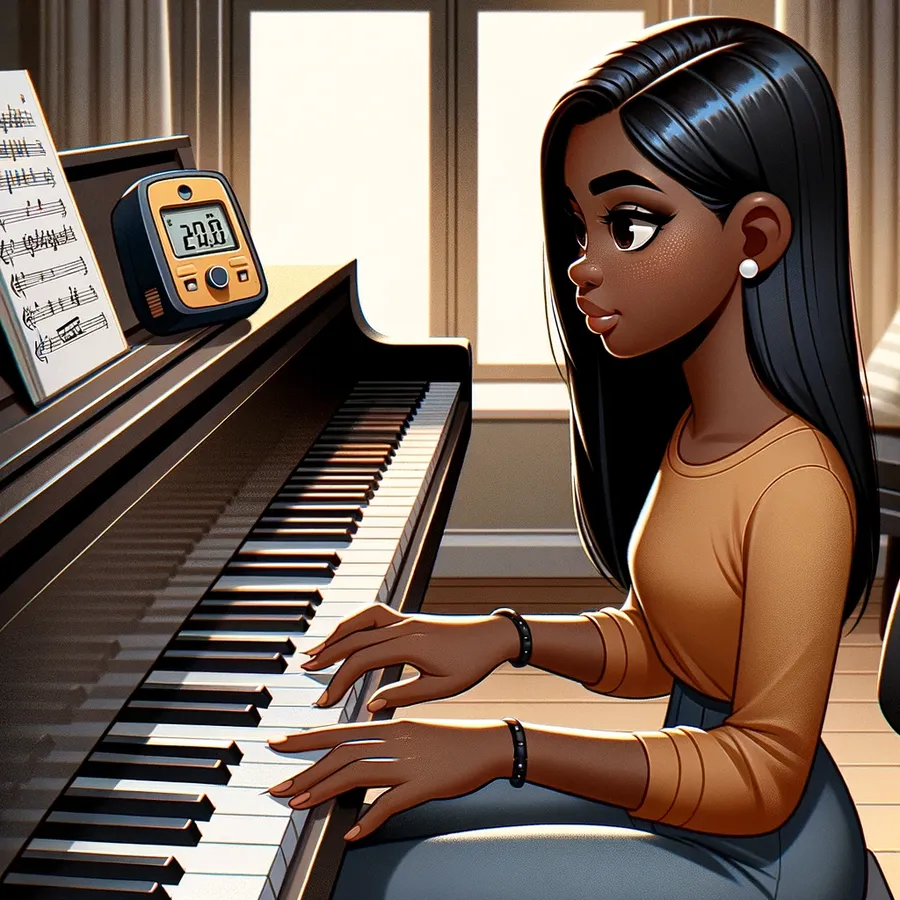
1. Metronome, the essential practice tool
I cannot stress enough how important the metronome is to learning music. Incorporating a metronome into practice sessions helps musicians develop a sense of timing and rhythm until it becomes second nature. - Adopt the pulse. Regular practice with a metronome helps you feel the pulse by keeping both the instrument and voice at a steady pace. - Practice makes progress. It is nearly impossible to keep a consistent beat without regular use of your metronome. If you are not using a metronome yet, I encourage you to start today. It is a crucial step towards mastering timing.
Metronomes can be bought as a standalone device, free apps are available, and there are online metronome websites too.
2. Headphones, getting in the zone
High-quality headphones can make a significant difference in a musician's practice routine. They help create an immersive experience during lessons. - Enhanced focus. Headphones allow students to lock into the rhythm of a backing track or drumbeat. They help you stay focused by blocking out distractions. - Professional sound. Musicians use headphones in studios and on stage to keep their timing and pitch.
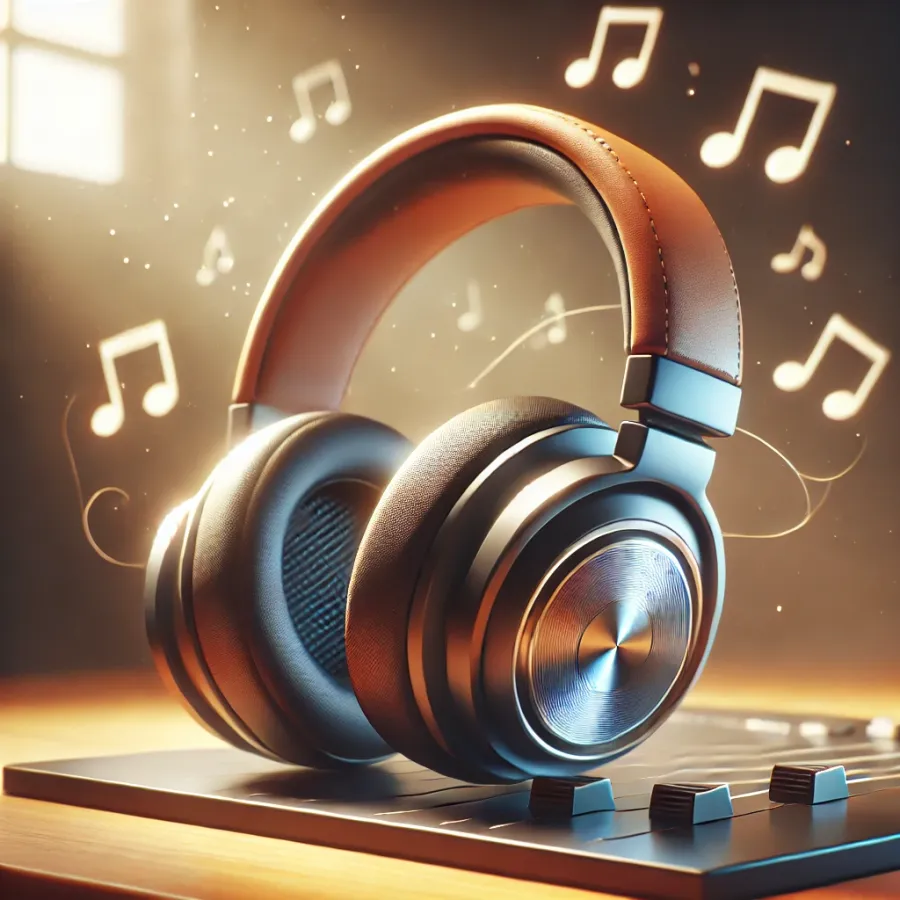
Here are some great options to look at. - Audio-Technica ATH-M20xBT studio headphones - Soundcore Life Q20 - Sony WH-CH520 - Sony ZX Series wired headphones
3. Songbook, building a personal repertoire
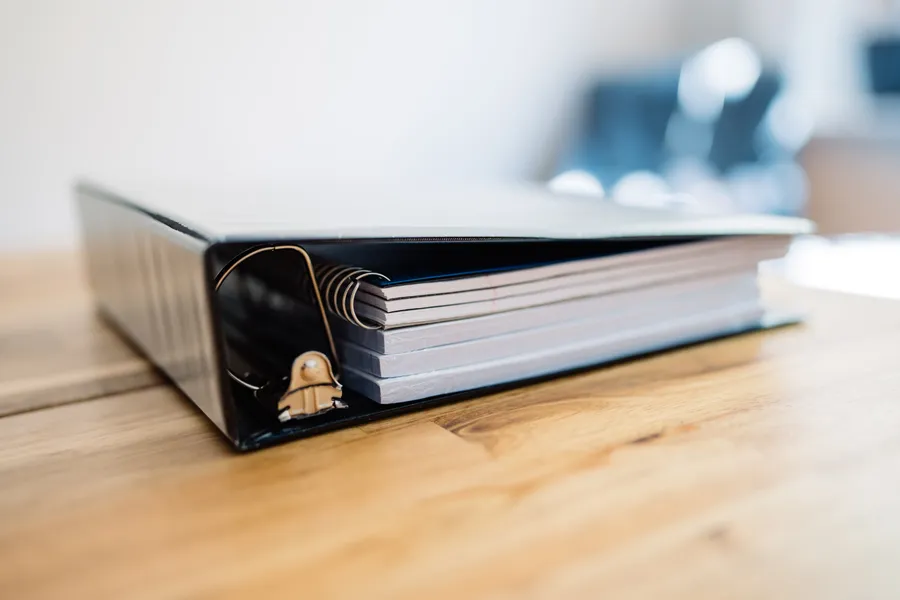
Students of all levels, including beginners, are encouraged to keep a dedicated songbook for the pieces they have learned. Use the binder pockets for weekly practice notes, and the three-ring holder to secure music sheets and lyrics. - Preserving progress. Keeping pieces in a songbook allows students to revisit and perform their music of choice, whether it is at a professional event, an open mic session, or simply for family and friends! - Organizational tip. Use laminated cover sheets to protect your music pages, and the three-ring holder to keep your music neatly stored. However, avoid using covers on pieces that are still a work in progress, as notes and changes may still be made.
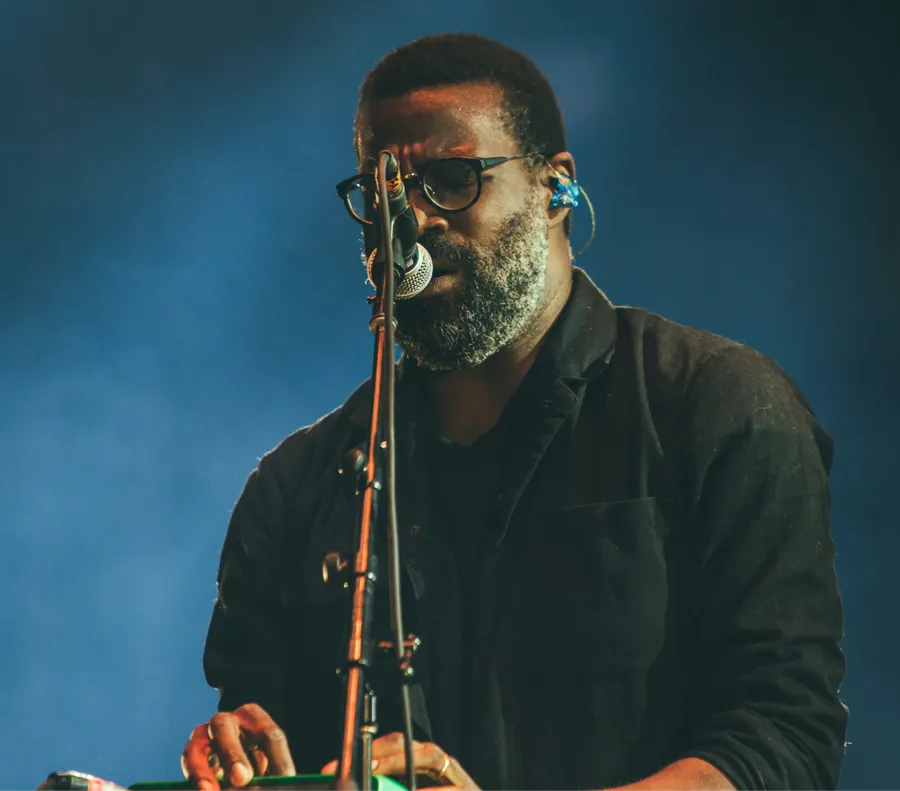
4. Headshots, for advanced singers entering the professional stage
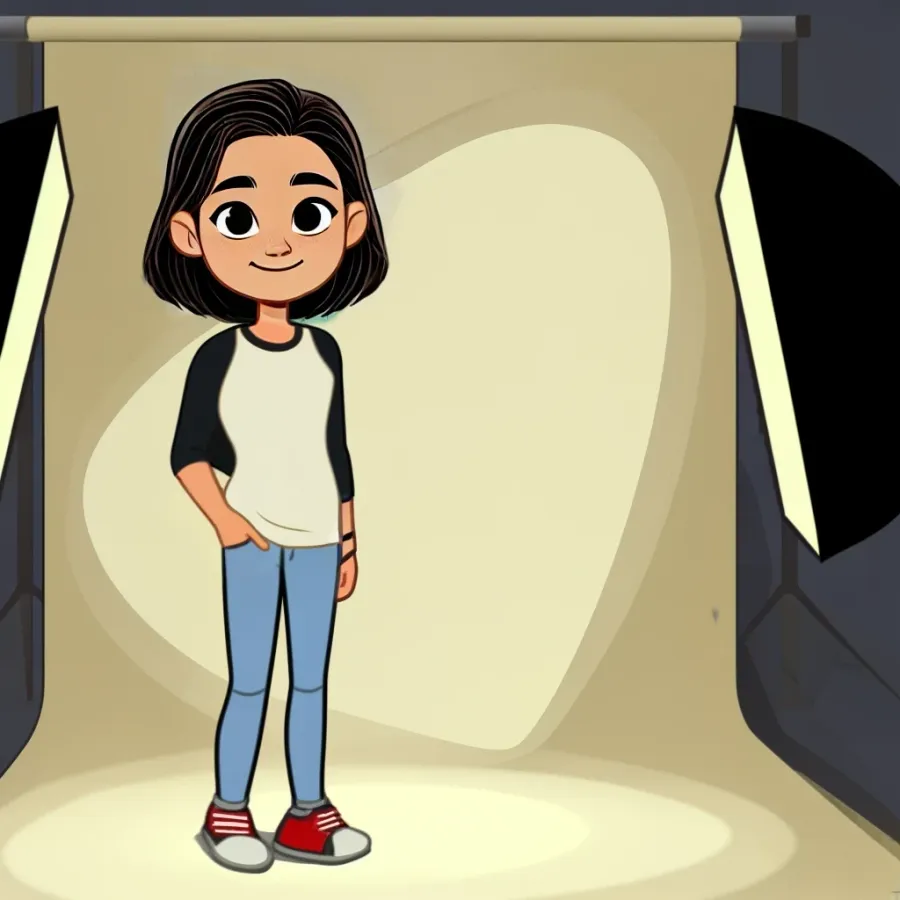
For our advanced singers, this next step is essential. Some of our students have been with us for a while and are now entering the professional stage of their music careers. At this point, having a high-quality headshot is crucial for auditions, whether it is for TV competitions, university programs, or building a professional resume. - Industry truth. In the music industry, appearance does play a role. A headshot gives you the chance to make a positive first impression. - Your image matters. The headshot should be a true representation of you as a performer, so make sure it is taken with care and professionalism.
5. Creating demos, for intermediate and advanced students
Creating music demos is a key part of an Electronic Press Kit (EPK). This is essential to opening doors for auditions and performances.
What is an EPK? An EPK is a digital portfolio showcasing a musician's work, including audio samples, photos, videos, and more.
Basic equipment needed
- Laptop or iPad. Ideally, use a laptop with basic recording software like Audacity. Recording on a tablet is not recommended, but if you do not have a laptop, use your iPad or tablet. Start with the equipment you already own. - Wired headphones. It is crucial to use wired headphones, or Bluetooth headphones with a wired option, for studio purposes.
There are two main ways to record audio, the basic home studio setup and the USB microphone method. The basic home studio setup includes an audio interface, cables, and a microphone, providing higher quality and more control. A USB microphone is a more affordable and simple option, making it ideal for those just starting with recording. However, while a USB microphone is convenient, an audio interface offers more powerful processing, which is crucial for music production. If you're serious about producing your own music, an audio interface is the way to go. - Option 1, a USB microphone. Samson G-Track Pro USB condenser microphone. - Option 2, a home studio setup. An MXL 990 microphone, an XLR cable for the microphone, a 1/4 inch cable for the instrument, and an Audient EVO 4 USB audio interface. There are many types of audio interfaces available, but this one is both reliable and reasonably priced.
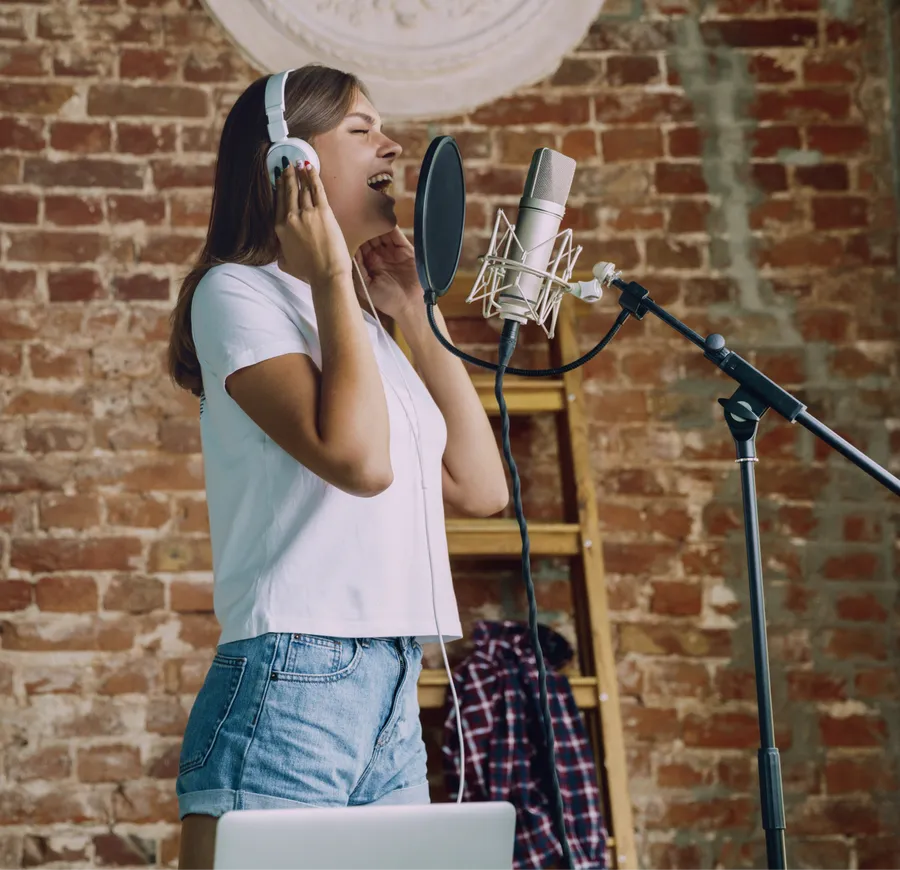
Either setup will allow you to start building a portfolio of your work, which is crucial for those pursuing music more seriously. If you are looking to produce a song, feel free to email me at contact@allaroundmusic.us.
By using these tools, students will be better equipped to reach their potential and take meaningful steps in their musical growth. If you would like more personalized recommendations or want to chat about your goals, email us anytime. We are here to help every step of the way!
Happy practicing!
With much care and appreciation, Christopher Pinon Owner, All Around Music