
November 11, 2026
Adolphe Sax and the Story of the Saxophone
The saxophone is one of the youngest instruments in the band, and unlike most instruments, we know exactly who invented it. His name was Adolphe Sax, a Belgian instrument maker who spent his life building new sounds, fighting rivals in court and starting over more than once. Here is his story.
A boy from Dinant
Antoine-Joseph Sax, who went by Adolphe, was born on November 6, 1814, in Dinant, a small town on the Meuse River in what is now Belgium. His father, Charles-Joseph Sax, started out as a cabinet maker and became a busy maker of wind and brass instruments, and of pianos, harps and guitars too. The family moved to Brussels, and Adolphe grew up in his father's workshop, learning how wood and metal become instruments.
A very lucky child
Stories told about his childhood say he survived one accident after another. He took a bad fall, was burned in a gunpowder accident and again by a hot frying pan, breathed in fumes from freshly varnished furniture, and was struck on the head by a falling stone. His first biographer may have stretched some of these tales, but they make it easy to see why people later called his life remarkable.
Flute, clarinet and a better bass clarinet
Adolphe studied the flute and the clarinet at the music school in Brussels, and he kept working at his father's bench. By about age 20 he was showing a clarinet he had improved, with 24 keys. Next he took on the bass clarinet, a big clarinet with deep notes, and gave it better keys and a better sound. He patented his new bass clarinet when he was 24, and it won praise from well known musicians.
A brand new sound
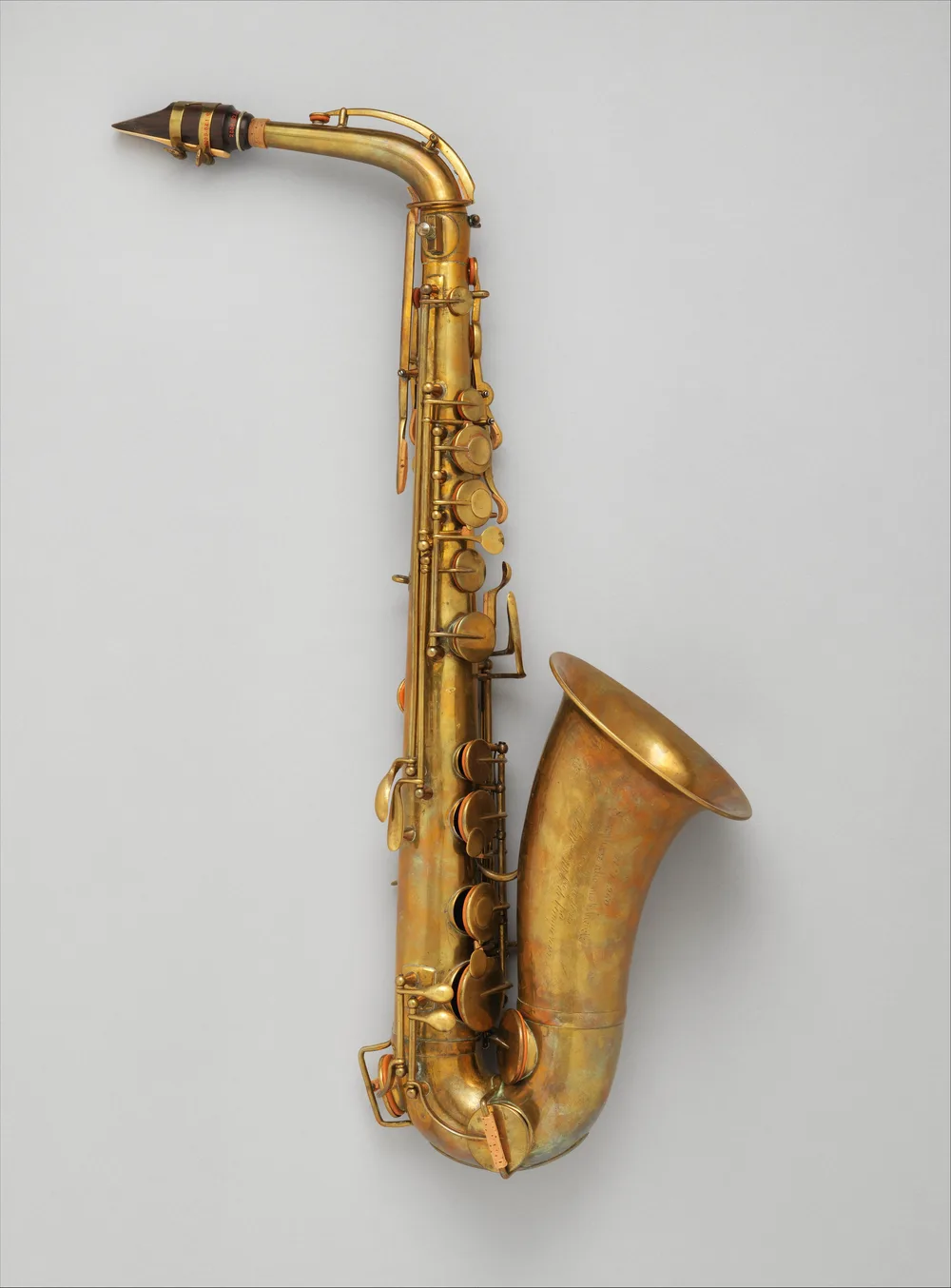
That bass clarinet work led Sax to a bigger question. Could one instrument move quickly and sing like a woodwind, and also fill a large space like a brass instrument? In the early 1840s he built a cone shaped tube out of metal and gave it a single reed mouthpiece much like a clarinet's. Sax never wrote down exactly how the idea came to him, so no one knows the very first day, but the saxophone was born.

Off to Paris
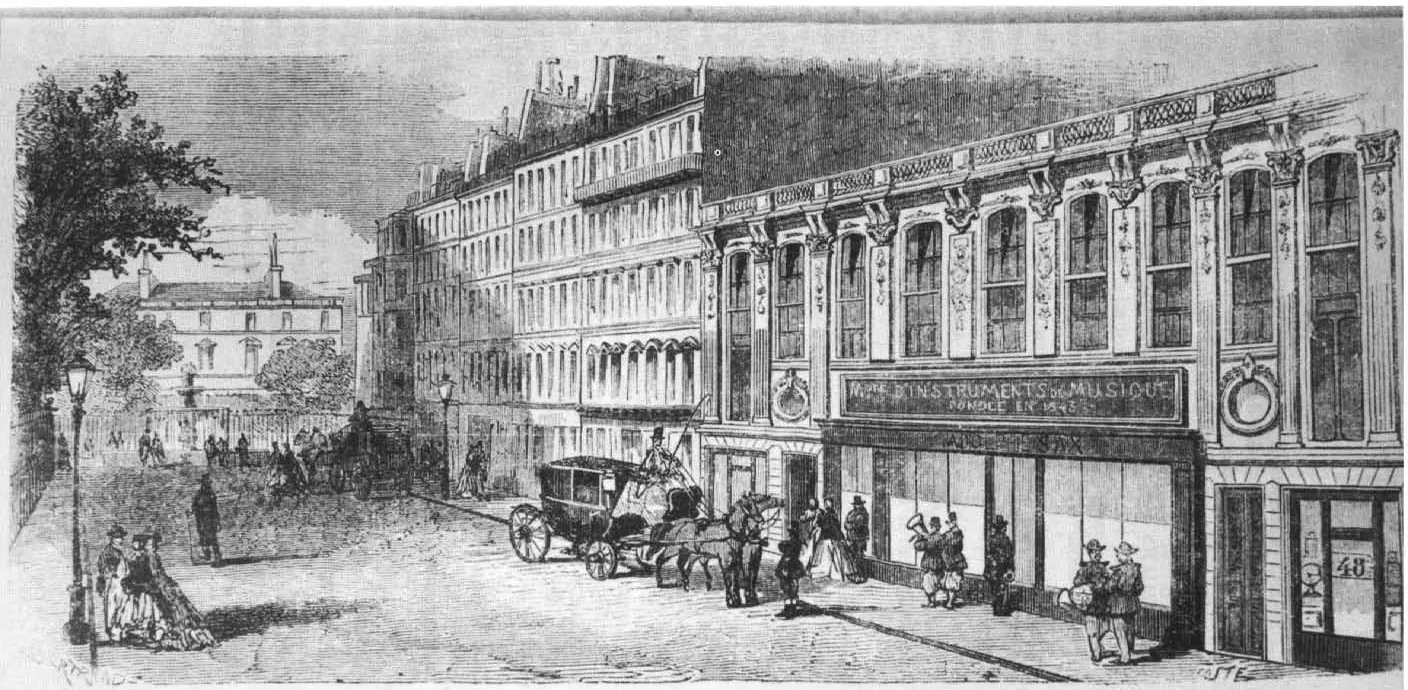
In 1842 Sax moved to Paris, where many of the best musicians and instrument makers of the day worked. That same year the composer Hector Berlioz wrote warmly about Sax and his new instruments in the Journal des Débats, an important Paris newspaper. Sax set up a workshop in the city and kept inventing.
A whole row of instruments
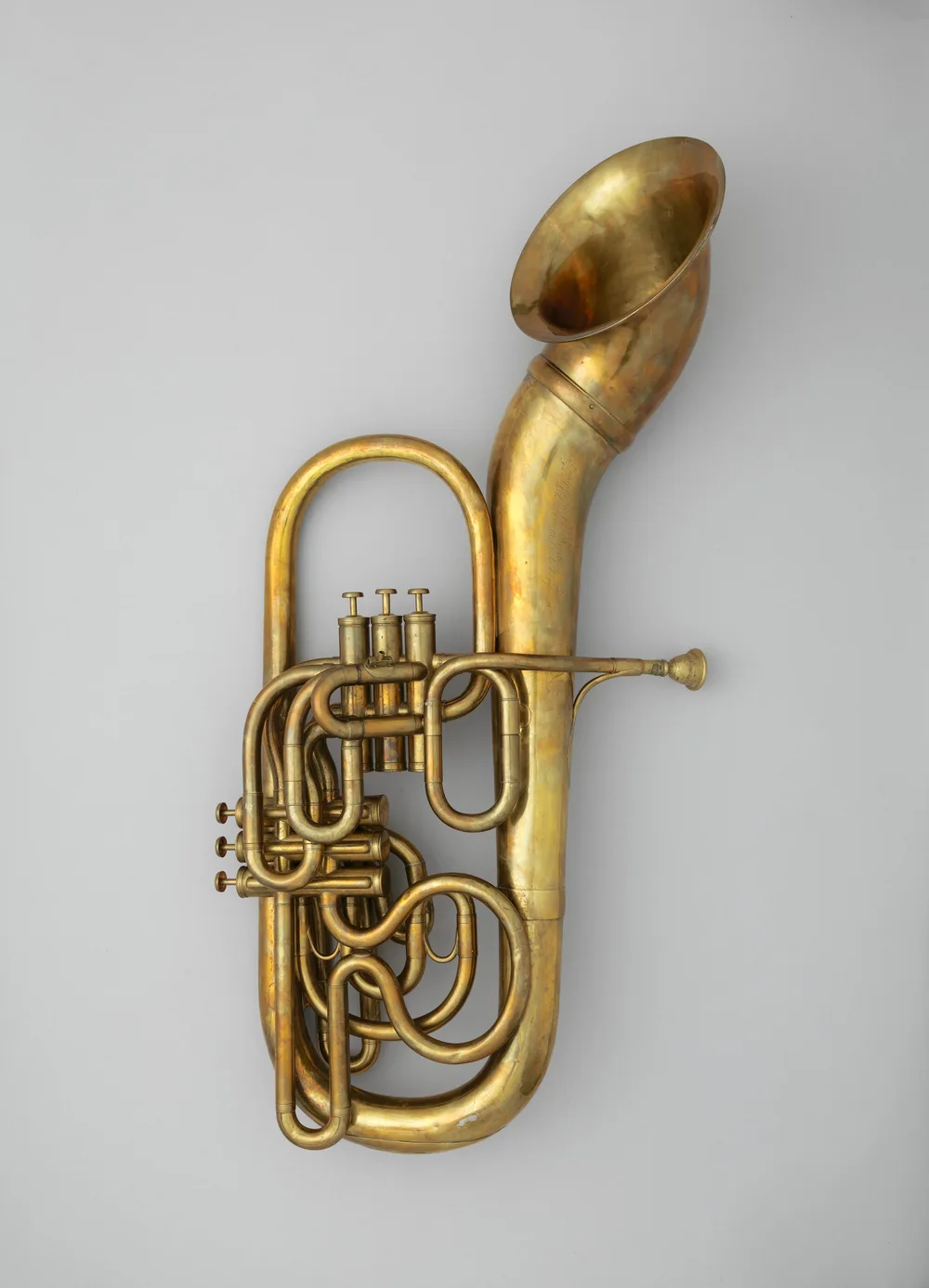
Working with his father, Sax also developed a family of brass horns with valves called saxhorns, patented in 1845, along with the saxotromba and the saxtuba. By then the Sax name was on a whole row of instruments, from small high horns to big low ones.
The 1846 patent
In 1846 Sax received a French patent for the saxophone. It was not one instrument but a whole family of sizes, so a band could have high, middle and low voices that all share the same sound. He meant it for both military bands and orchestras, and he soon had it taken up by the French army.

Rivals and hard times
Not everyone was happy for him. Other instrument makers saw Sax as a threat and went to court to try to take away his patents, and the lawsuits went on for years. He went bankrupt three times, in 1852, 1873 and 1877. In the 1850s he also became seriously ill with cancer of the lip, and he recovered.
Teaching the saxophone in Paris
In 1857 Sax was named the saxophone instructor at the Paris Conservatoire, the city's famous music school, so young players could study his instrument properly. That class ended in 1870, after France's war with Prussia.
His last years
By the time he was nearly 80, Sax had very little money. The composers Emmanuel Chabrier, Jules Massenet and Camille Saint-Saëns asked the French government to come to his aid. He died in Paris on February 7, 1894, and was buried in the Montmartre Cemetery.
The saxophone finds its stage
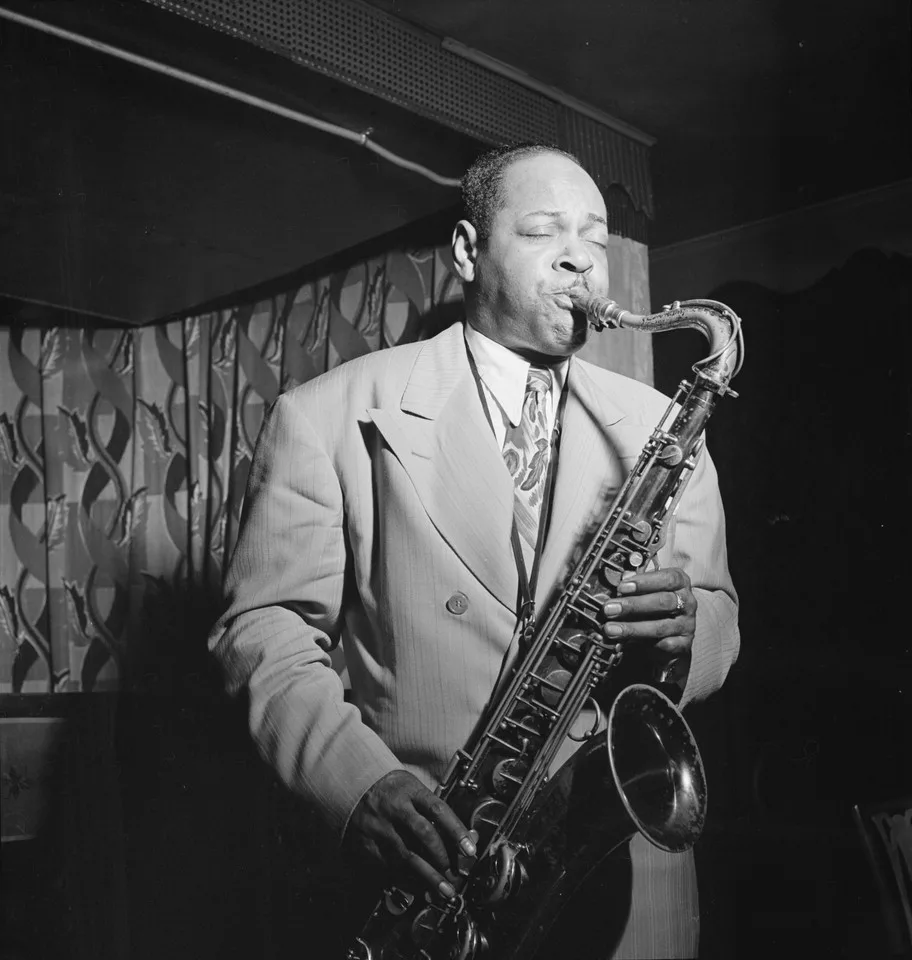
Sax did not live to see his invention's biggest moment. Around the time of World War I, the saxophone became a popular solo instrument in the United States. Dance bands took it up next, and it became one of the most important solo voices in swing and jazz. Lester Young, Coleman Hawkins, Charlie Parker, Sonny Rollins, Ornette Coleman and John Coltrane are among the great jazz saxophonists.
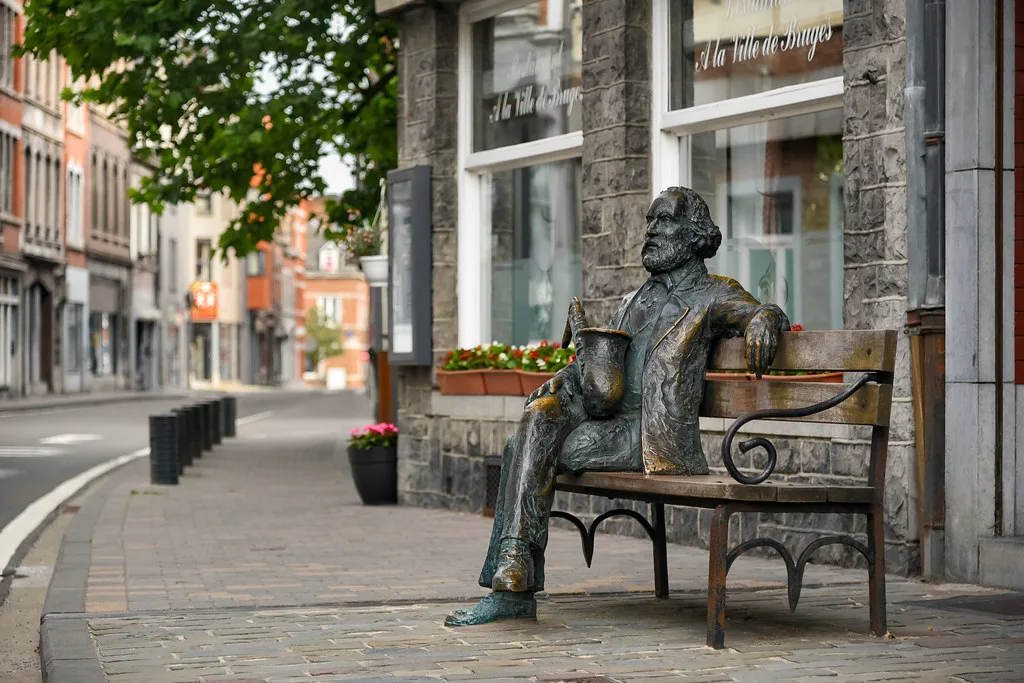
Dinant remembers
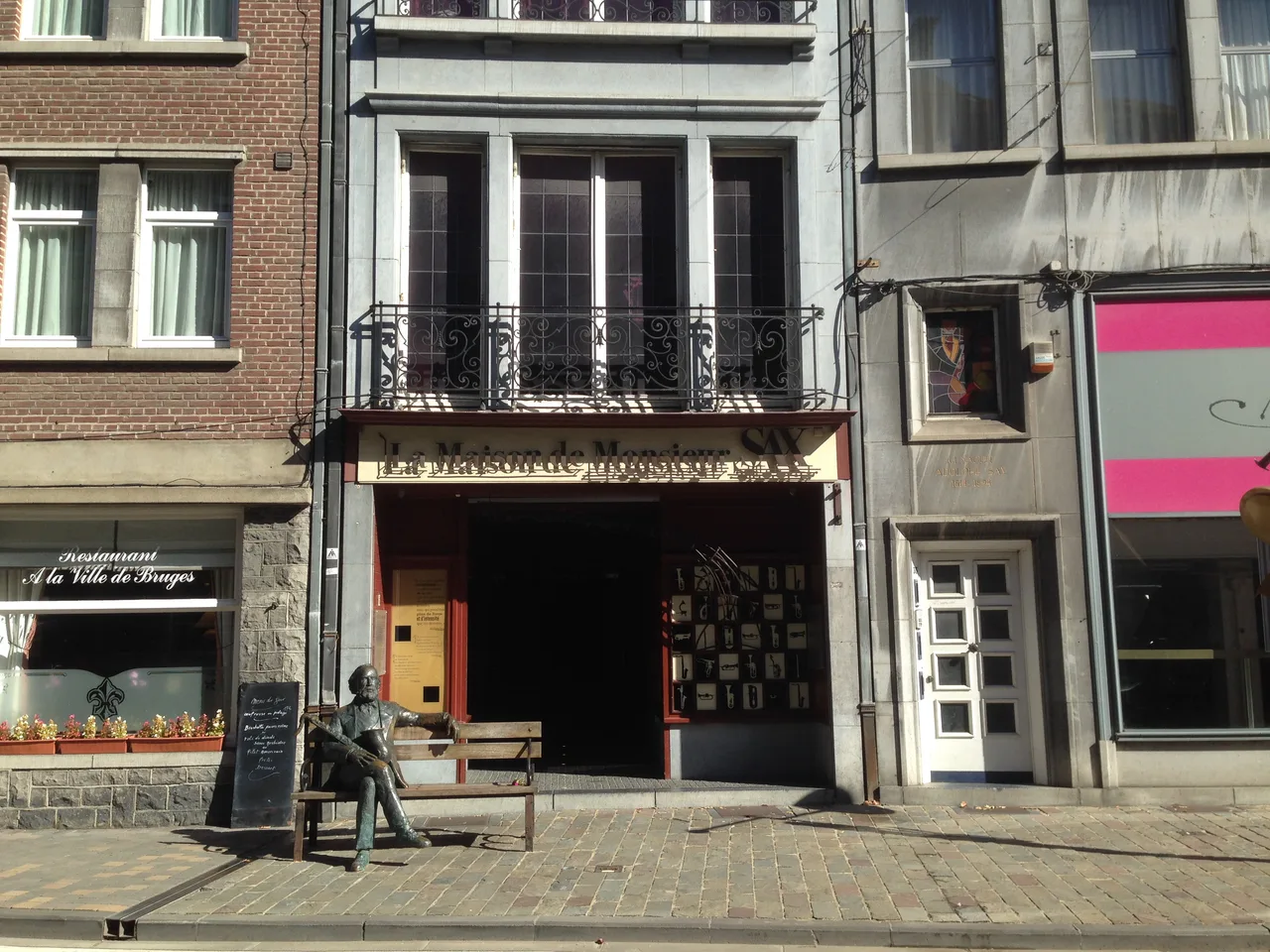
Dinant has not forgotten the boy who grew up to change music. A statue of Sax sits on a bench in the town, the Maison de Monsieur Sax is a free stop for visitors devoted to his life, and Dinant hosts an international saxophone competition named after him.
Adolphe Sax at a glance
Here are the big moments of his life in order.

Questions families ask
Here are short answers to a few common questions.
Is the saxophone a woodwind or a brass instrument
A woodwind. Its body is usually made of brass, but the sound starts with a reed on the mouthpiece, just like a clarinet.
How many kinds of saxophone are there
The four you will see most often are the soprano, alto, tenor and baritone. There are also rarer ones, from the tiny sopranino to the huge contrabass and subcontrabass.
Which saxophone do beginners start on
Many beginners start on the alto, the middle size, and move to other sizes later.
How old is the saxophone
Sax patented it in 1846, so it is about 180 years old, young for an instrument.
Every saxophone, from a school band alto to a jazz tenor, goes back to one inventor from Dinant. If you would like to play one yourself, visit our band instruments page to book a time.
Sources
Encyclopaedia Britannica, "Adolphe Sax" and "saxophone" Wikipedia, "Adolphe Sax", "Saxophone" and "Saxhorn" Encyclopedia.com, "Sax, Adolphe" (from Contemporary Musicians and the Oxford Dictionary of Music) The Metropolitan Museum of Art, collection records for Sax's alto saxophone (about 1855) and bass saxhorn (1863) Maison de Monsieur Sax and the Adolphe Sax association of Dinant, sax-dinant.be The cover photo of Adolphe Sax, taken in the 1860s, is from the Bibliothèque nationale de France (public domain). The other picture credits are under each picture.