
October 6, 2025
Beginner-Friendly Piano Lessons to Jumpstart Your Skills
Starting piano can feel exciting and a bit overwhelming. I know how it feels to sit in front of those black and white keys, wondering where to begin. The good news? You can learn piano step by step with simple, beginner piano techniques that build your confidence and skills. Whether you are a parent helping your child or an adult picking up the piano again, this guide will help you jumpstart your musical journey with clear, friendly advice.
Why beginner piano techniques matter
When you first start playing piano, the right techniques make all the difference. They help you avoid bad habits and make learning easier and more fun. Beginner piano techniques focus on - Proper hand position - Finger strength and independence - Reading music basics - Playing simple rhythms
By mastering these early, you set a strong foundation for more complex pieces later. For example, keeping your fingers curved and relaxed helps you play smoothly and avoid strain. Practicing finger exercises daily improves your control and speed. These small steps add up quickly!
How a beginner should learn piano
Learning piano as a beginner is all about structure and patience. Here's a simple plan to get started. - Start with the basics. Learn the names of the keys and how to find middle C. This is your musical home base. - Practice finger exercises. Use simple five-finger scales to build finger strength and coordination. - Read simple sheet music. Begin with easy songs that use just one hand. This helps you get comfortable reading notes and rhythms. - Use a metronome. This tool keeps your timing steady. Start slow and gradually increase speed. - Set small goals. Aim to learn one new song or exercise each week. Celebrate your progress!
Remember, consistency is key. Even 10 minutes a day makes a big difference. And don't hesitate to ask for help. Our piano page has teachers with flexible schedules and clear instruction.
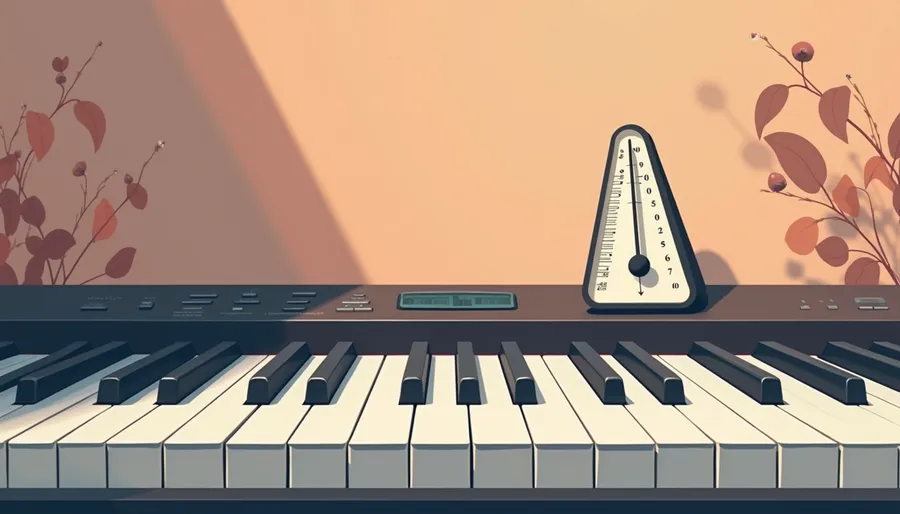
Essential beginner piano techniques to practice daily
Let's dive into some beginner piano techniques you can practice every day. These will help you build strength, accuracy, and confidence.
Hand and finger position
- Keep your fingers curved like you're holding a small ball. - Your wrists should be relaxed and level with the keyboard. - Avoid collapsing your knuckles or stretching fingers too far.
Finger independence exercises
Try this simple exercise. Play each finger one at a time on five neighboring keys, starting with your thumb. Repeat with both hands. This builds control and coordination.
Playing with both hands
Start by playing simple melodies with your right hand. Once comfortable, add the left hand playing basic chords or single notes. This coordination is a big step but very rewarding.
Reading music
Learn the notes on the treble and bass clefs. Use flashcards or apps to practice note recognition. Start with whole notes and half notes, then move to quarter notes and rests.
Rhythm practice
Clap or tap rhythms before playing them on the piano. This helps you feel the timing and makes playing smoother.

How to stay motivated and track your progress
Learning piano is a journey. Staying motivated can be challenging, but these tips help keep your enthusiasm high. - Set clear, achievable goals. For example, learn a new song every two weeks. - Record your practice sessions. Listening back shows your improvement. - Join a community. Online forums or local groups provide support and inspiration. - Reward yourself. Celebrate milestones with small treats or breaks. - Mix it up. Try different styles of music to keep things interesting.
Tracking progress is important. Keep a practice journal or use an app to log your daily practice time and what you worked on. This creates a sense of accomplishment and helps you see how far you've come.
Making the most of online piano lessons
Online piano lessons offer flexibility and access to expert teachers from home. Here's how to get the best from them. - Choose lessons designed for your level. Beginner courses focus on foundational skills and build gradually. - Use video lessons to watch hand positions and techniques closely. - Practice along with the lessons, pausing and repeating as needed. - Take advantage of downloadable practice guides and sheet music. - Communicate with your instructor regularly for feedback and questions.
Your next steps to piano success
Starting piano is a wonderful decision. With the right beginner piano techniques and a positive mindset, you will see steady progress. Remember to - Practice regularly, even if just a few minutes a day. - Focus on proper hand position and finger control. - Use simple songs and exercises to build skills. - Stay patient and celebrate every small win.
Music is a lifelong gift. By investing time now, you open the door to creativity, joy, and confidence. So sit down at your piano, take a deep breath, and play your first notes. You've got this!
If you want a trusted place to start, visit our piano page to book a time. Happy playing!